

What Size Backup Generator Does Your Property Need?
The comfort and safety of your home rely heavily on a steady supply of electricity. When severe weather strikes, aging infrastructure fails, or unexpected grid emergencies occur, losing power can disrupt your daily routine, compromise your food supply, and pose significant safety risks in extreme temperatures. According to Verified Market Reports, about 20% of U.S. homes experience annual power outages, spurring demand for reliable backup energy. As more property owners recognize the vulnerability of their local power grids, the conversation shifts from whether to buy emergency power equipment to figuring out the exact specifications required.
Investing in a dependable generator requires careful planning. If you select a unit that is too small, you risk overloading the electrical phases and damaging your sensitive electronics. If you buy a unit that is too large, you might spend significantly more money than necessary on both the initial purchase and ongoing fuel costs. This comprehensive guide will help you navigate the complex process of sizing your backup power supply perfectly.
Assessing Your Daily Electrical Load
Before diving into the complex math of electrical loads and surge capacities, you must establish clear, realistic goals for your backup power supply. Do you want to maintain your entire home's normal operation during a blackout, or are you only concerned with keeping the absolute necessities running? When sizing your generator, you must decide between partial-house coverage and whole-house coverage.
Partial-house coverage focuses exclusively on life-safety and property preservation. This typically includes powering your main refrigerator to prevent food spoilage, running a few essential lights for navigation, keeping crucial medical devices operational, and maintaining a localized heating or cooling source. For many cost-conscious homeowners, this minimalist approach offers peace of mind without requiring a massive financial investment.
Conversely, whole-house coverage aims to replicate your standard grid experience flawlessly. Under this scenario, your central air conditioning, electric oven, multiple televisions, well pump, and all household lighting would function exactly as they do on a normal afternoon. Naturally, powering an entire property demands a significantly larger piece of machinery. Take a walk through your property and make a physical list of the appliances and devices you absolutely cannot live without during a multiday outage. This list will serve as the core foundation for your upcoming mathematical calculations. Consider the seasonal extremes in your specific geographic area; a severe winter power loss requires robust heating capabilities, while a summer outage demands intense refrigeration and air cooling.
Calculating Your Total Wattage Demand
Once you have identified your critical household appliances, the next crucial step involves quantifying the precise electrical demand of those devices. Every electrical appliance operates using a specific amount of power, measured in watts. To find the right generator capacity, you need to understand these distinct types of electrical draw: running watts and starting watts.
Running watts, also known as rated watts, refer to the continuous power required to keep an appliance functioning. For instance, in our experience, a standard refrigerator might require 700 running watts to operate continuously, while a few modern LED bulbs only draw 50 running watts combined. Starting watts, or surge watts, represent the extra burst of energy a motor-driven appliance needs to turn on. That same refrigerator requiring 700 running watts might temporarily need 2,200 starting watts just to kick the compressor into gear.
To calculate your total requirement, list the running watts for all the devices you plan to power simultaneously. Add these numbers together to find your base load. Then, identify the appliance on your list with the highest starting wattage requirement and add it to your base load. You do not need to add the starting watts of every appliance, as it is highly unlikely that every motor-driven device in your home will cycle on at the exact same millisecond. However, if your calculations are inaccurate, your generator might overload, trip internal breakers, or shut down entirely when a heavy appliance engages.
Comparing Your Available Equipment Sizes
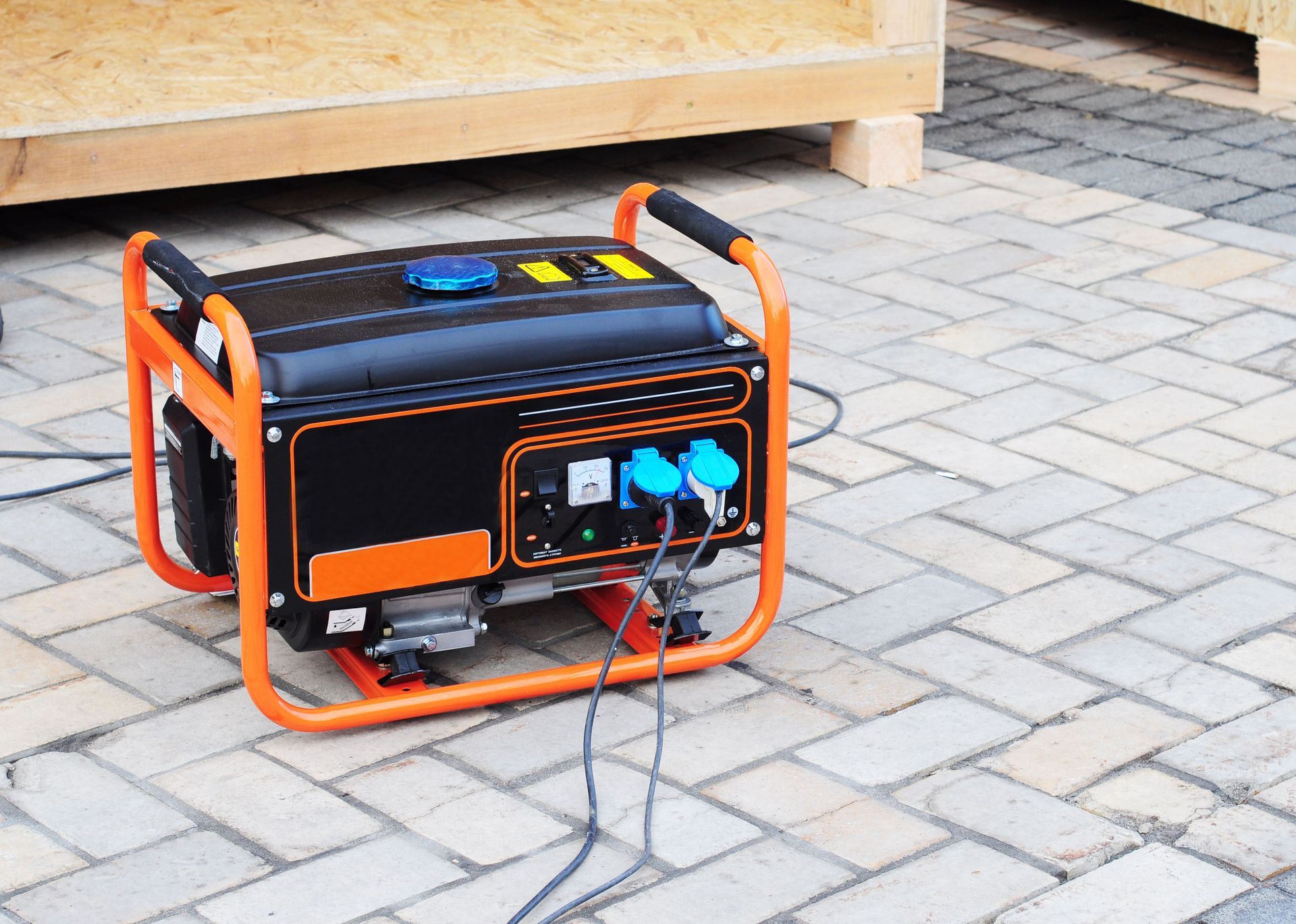
With your wattage calculations in hand, you can categorize available systems into size tiers based on maximum wattage output, usually expressed in kilowatts (kW). Small emergency units operate on standard gasoline or liquid propane. While excellent for wilderness camping or powering a refrigerator and a few lights via heavy-duty extension cords, they are entirely insufficient for property-wide backup and cannot handle hardwired appliances like central HVAC units.
Moving up the scale, mid-sized portable systems provide enough juice to power a refrigerator, a sump pump, a space heater, a television, and several lights simultaneously. Many homeowners choose this versatile size category because it perfectly balances affordability with essential functionality. However, these systems still require manual operation, meaning you must roll the heavy equipment outside, fuel it up, and connect it to your home's electrical panel via a manual transfer switch during a turbulent storm.
Large portable units can handle significant electrical loads, including smaller central air conditioning units, electric water heaters, and multiple heavy appliances. Despite their impressive power output, they still run on temporary fuel supplies and require active management during an outage.
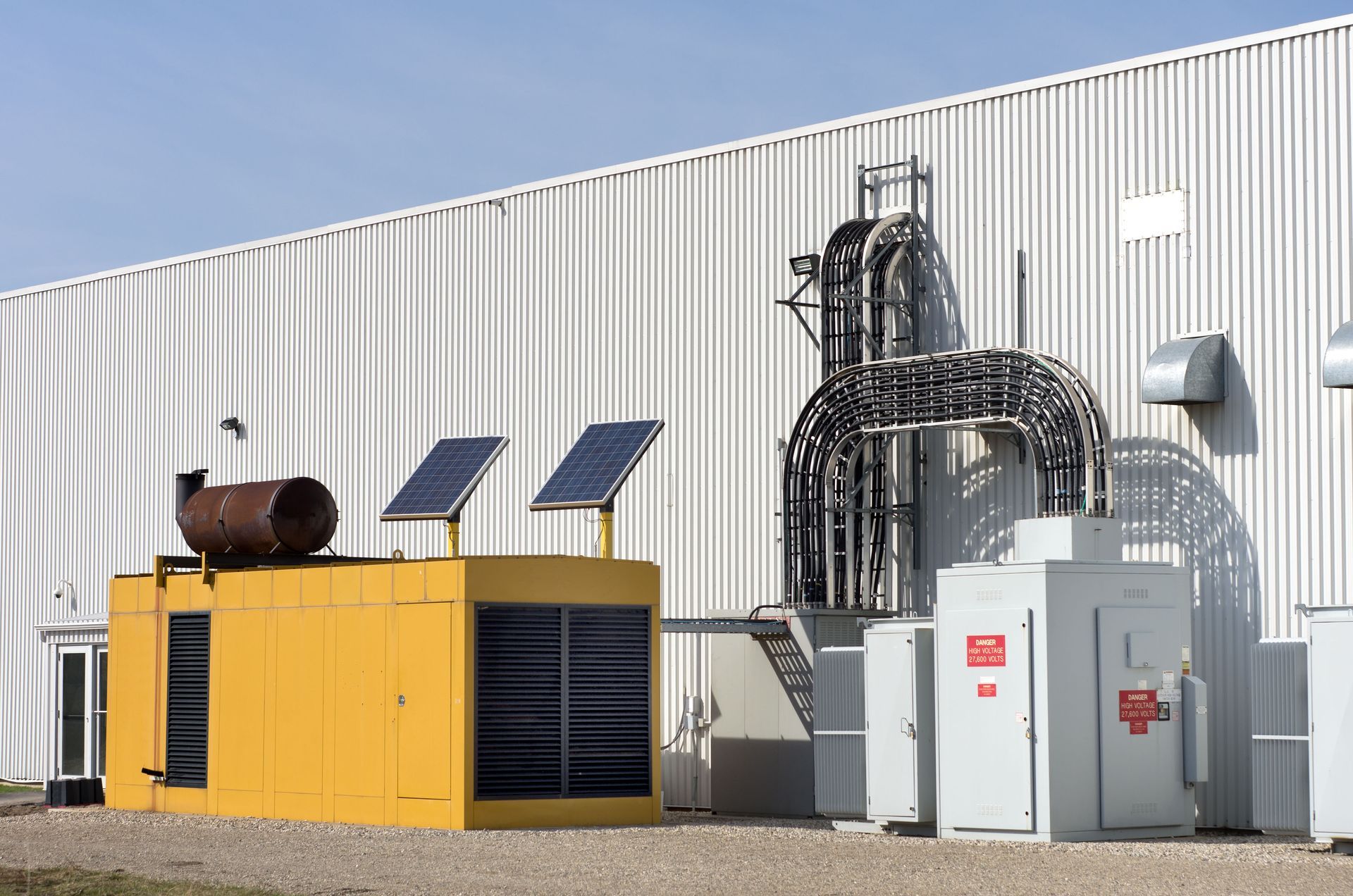
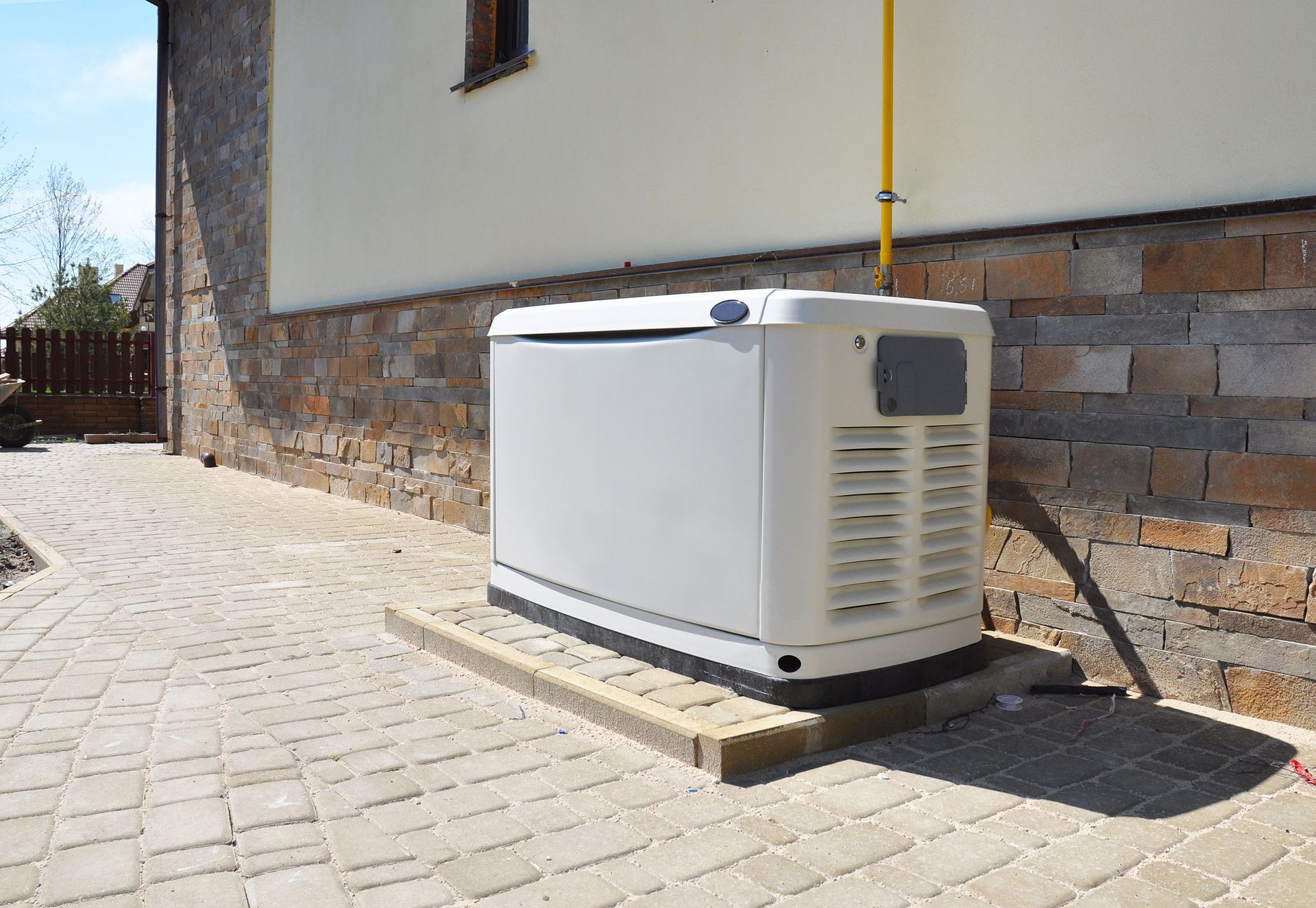
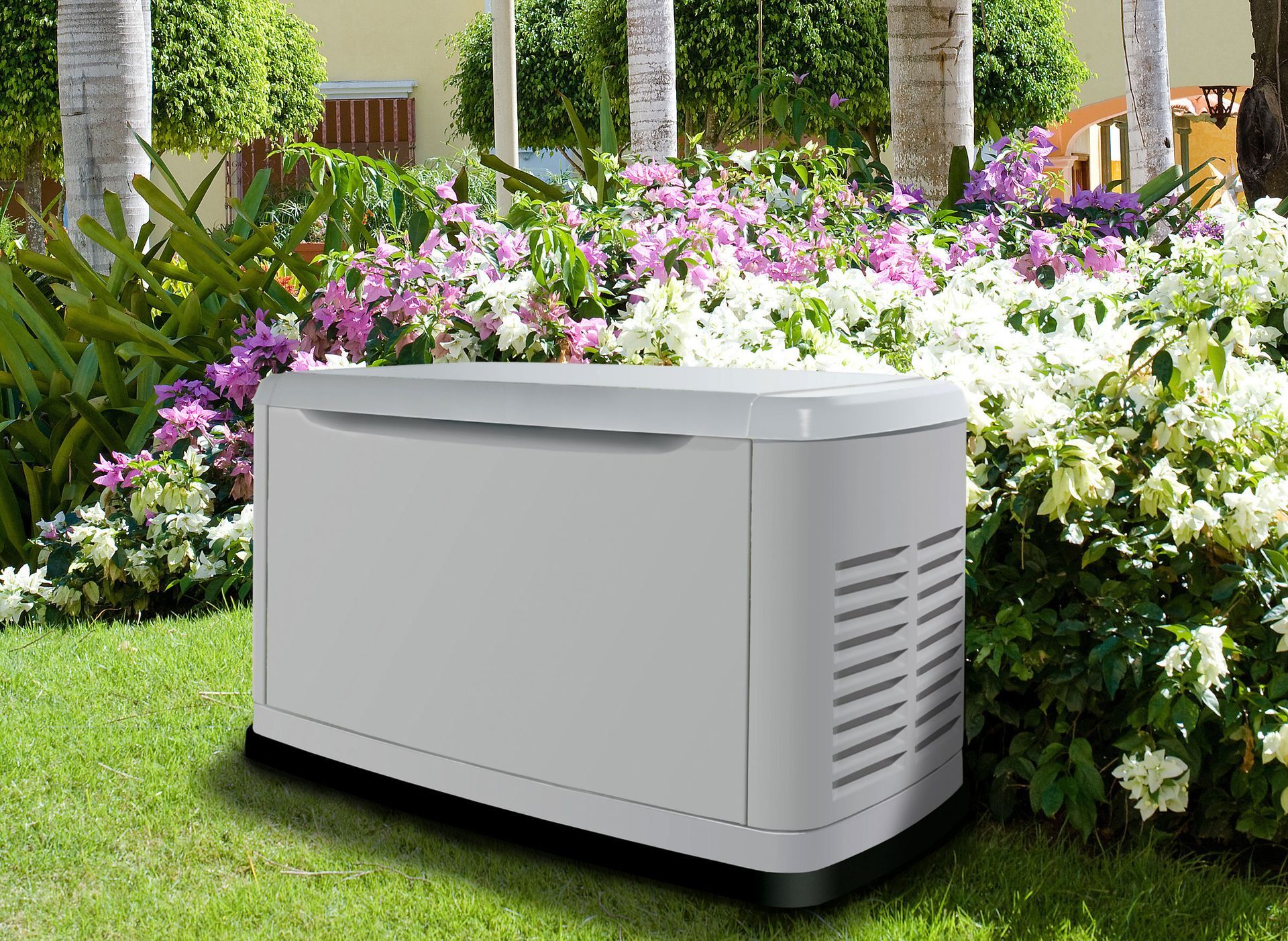
Finally, residential standby systems are permanently installed outside your home, connecting directly to your home's natural gas line or a dedicated liquid propane tank to provide days of continuous power without requiring you to manually refill fuel tanks in the middle of a blizzard.
Selecting Your Ideal Backup Solution
Beyond simply matching your wattage needs, choosing the perfect piece of machinery involves evaluating your lifestyle, budget, and physical capabilities. If you travel frequently for work, a portable system might not be practical. Portable units require an able-bodied person to be physically present at the property to drag the equipment outside, safely start the combustible engine, and correctly manage the complex network of extension cords or a manual transfer switch.
For ultimate convenience and total peace of mind, a standby generator automatically turns on within mere seconds of a grid failure. These permanent fixtures continuously monitor the utility power flowing into your home's electrical panel. The moment the voltage drops or disappears completely, an automatic transfer switch isolates your house from the main grid and simultaneously starts the backup engine. Whether you are sleeping soundly, vacationing across the country, or stuck at the office during a severe thunderstorm, the equipment seamlessly takes over the electrical load.
Once local utility power is restored, the system automatically shuts itself down and quietly returns to monitoring mode. While standby systems represent a larger upfront financial investment, they add measurable resale value to your property and drastically reduce the immense stress associated with severe weather events. You never have to worry about storing highly volatile gasoline in your garage or attempting to start a stubborn, cold engine in the pouring rain.
Planning Your Professional System Installation
Integrating emergency power into your home's existing electrical infrastructure is not a weekend project for an ambitious do-it-yourself enthusiast. Modern electrical panels, transfer switches, and high-voltage wiring require specialized technical knowledge to handle safely and securely. An improper installation can result in catastrophic equipment failure, severe electrical fire hazards, or deadly backfeeding. Backfeeding occurs when a backup power supply pushes electricity backward through the utility lines, creating a lethal hazard for utility workers attempting to restore the municipal grid.
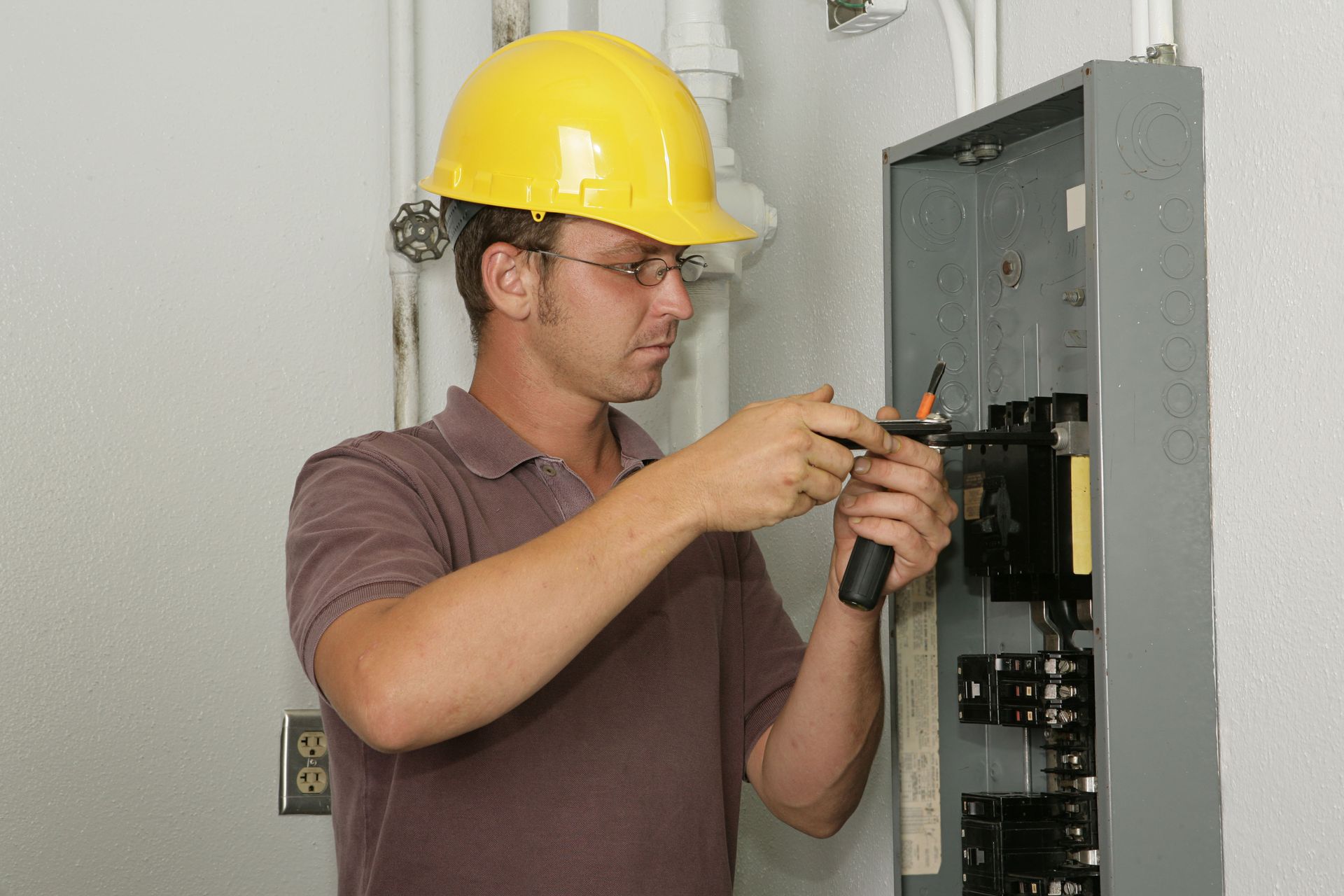
To ensure your property is protected properly and entirely up to code, you must partner with licensed electrical contractors who thoroughly understand local building regulations and municipal safety ordinances. Our professionals possess the deep expertise required to evaluate your property, mathematically confirm your wattage calculations, and execute a flawless installation. From pulling the necessary municipal permits to coordinating with your local natural gas provider, professional electricians handle every complex logistical detail.
When you are ready to fortify your home against unpredictable outages, reach out to Walkowiak Electric. Our dedicated team is committed to providing reliable, top-tier electrical services that keep your family safe and comfortable, no matter what the weather brings. We will meticulously review your specific household needs, evaluate your property layout, and recommend the most efficient backup generator available for your budget. Do not wait until the next major storm plunges your neighborhood into prolonged darkness; take a proactive approach to your home's electrical resilience today.

Share On: