

Choosing the Right EV Charger for Your Home and Driving Habits
The rapid adoption of electric vehicles necessitates convenient and efficient home charging solutions tailored to individual driving habits. As more consumers transition to these vehicles, understanding how to select the right equipment for your home becomes essential. A well-suited system not only ensures your vehicle is ready when needed but also optimizes energy use and cost efficiency. With a variety of residential choices available, selecting the ideal setup requires evaluating your daily commute, electrical infrastructure, and long-term financial goals.
Understanding Different Types of EV Chargers
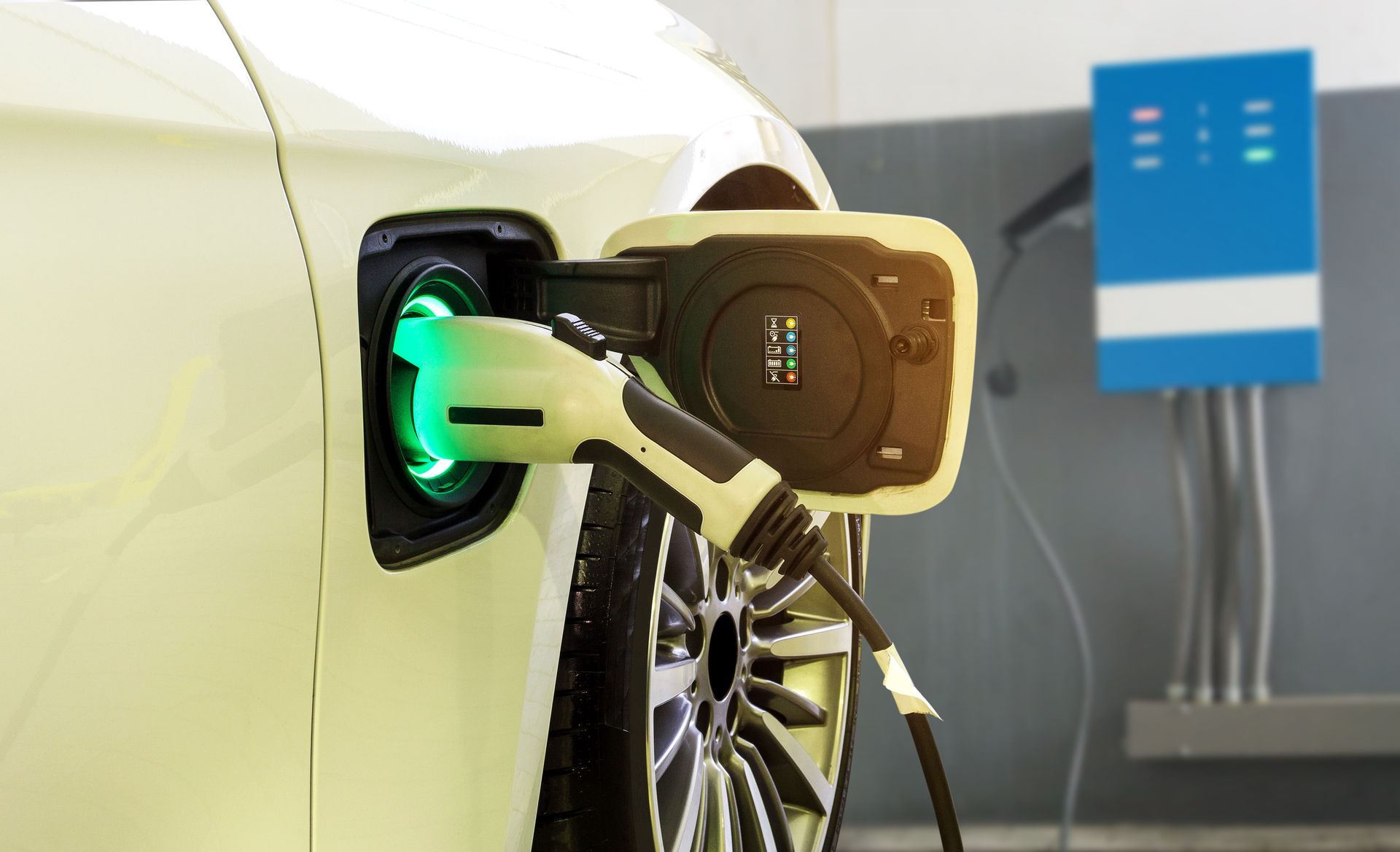
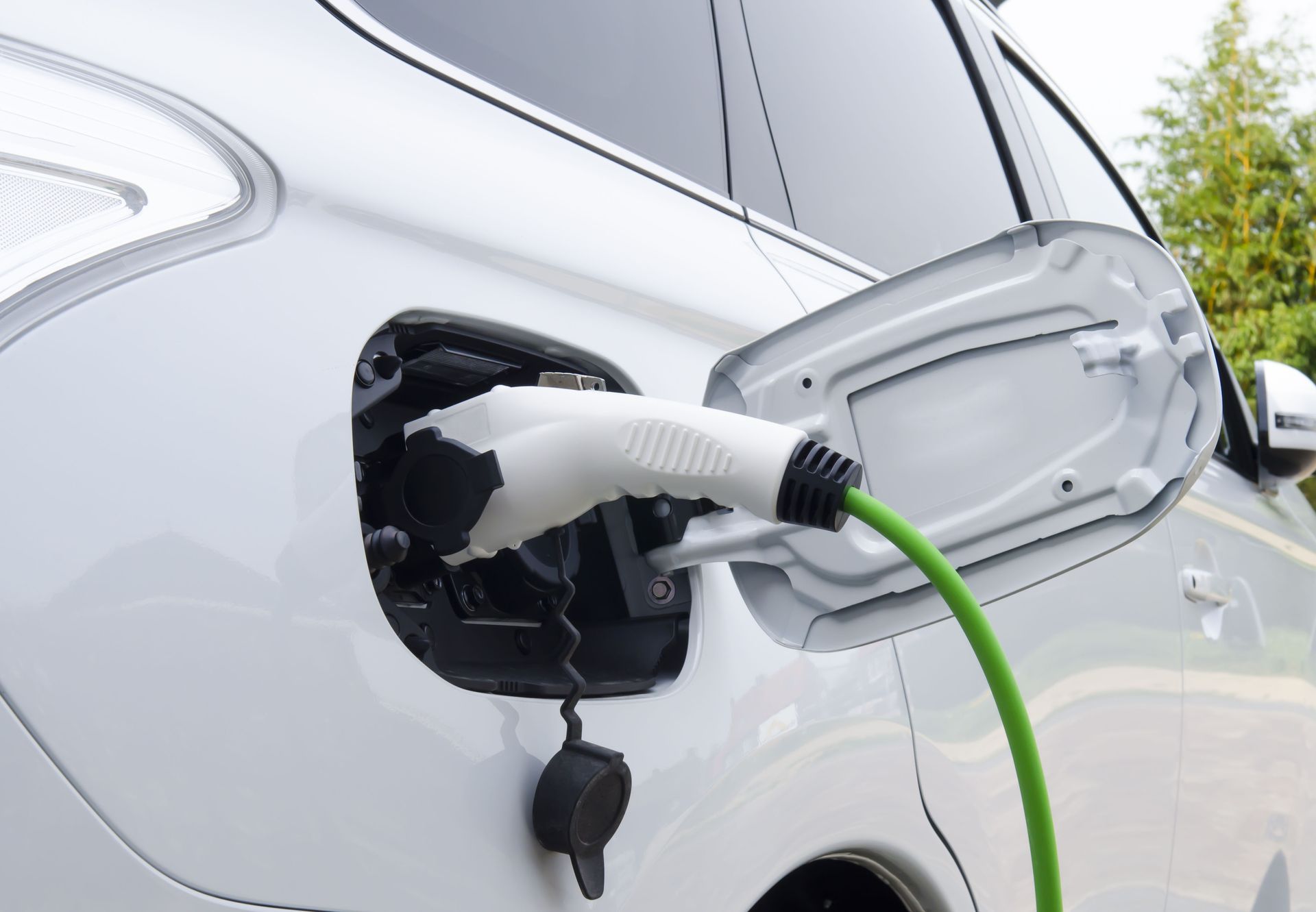
Residential charging systems are primarily categorized into Level 1 and Level 2 setups, each offering distinct advantages depending on your daily routine. Level 1 units utilize a standard 120-volt household outlet, making them universally accessible without electrical modifications. However, they supply a slower charge, adding approximately 3 to 5 miles of range per hour. This pace is often sufficient for drivers with short commutes who can let their vehicle charge overnight.
Level 2 EV chargers offer a substantial upgrade in speed, operating on a 240-volt circuit similar to a heavy household appliance. These units add between 10 and 60 miles of range per hour, providing a full charge in a fraction of the time. While installing a Level 2 system requires a dedicated circuit and professional configuration, the efficiency gains make it the preferred option for households with longer daily commutes or multiple electric vehicles.
Beyond standard options, advanced smart models feature internet connectivity for remote monitoring, scheduling, and power optimization. These features allow homeowners to track energy consumption, receive real-time updates, and automate charging cycles to optimize performance. Selecting between portable and stationary variants depends heavily on your mobility needs, hardware durability preferences, and whether you require charging capabilities while traveling away from home. Investing in a stationary model typically secures a permanent, highly weatherized setup designed to withstand years of constant plugging and unplugging.
Evaluating Your Home's Electrical Capacity
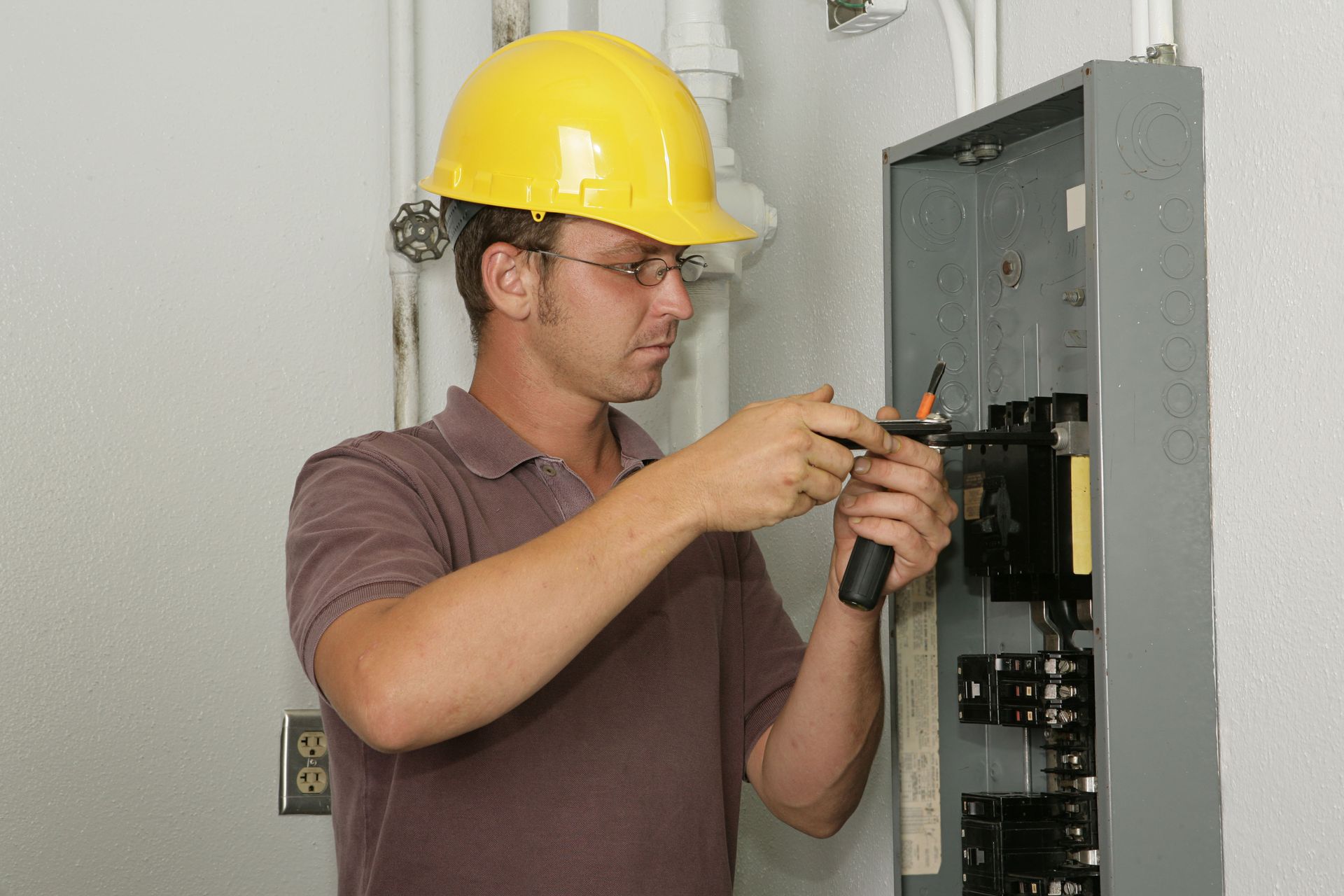
Before installing high-powered equipment, assessing your home's existing electrical infrastructure is a critical step. A thorough evaluation determines whether your electrical panel can handle the additional load of a Level 2 system without overloading circuits. Upgrading an outdated panel can increase power handling capacity, ensuring a safe, consistent, and reliable flow of energy to your vehicle while preventing unexpected service interruptions. Property owners must evaluate current appliance demands to ensure the household grid functions cohesively alongside the new automotive load.
Managing peak load demands is essential for preventing high utility bills and system strain. Utilizing smart EV chargers allows you to schedule charging during off-peak hours, such as late at night or early in the morning, when electricity rates are typically lower. This strategic approach minimizes household energy expenses, preserves circuit longevity, and contributes to greater regional grid stability during high-demand periods. Many local power companies offer dedicated savings programs tailored specifically to customers who participate in these automated off-peak charging schedules.
For homeowners interested in sustainability, integrating a charging system with a residential solar power setup is an excellent option. Solar panels can generate renewable energy to supply power directly to your vehicle, reducing your reliance on the traditional grid. This integration maximizes long-term utility savings, cushions against energy price spikes, and enhances the environmental benefits of driving an electric vehicle. Adding a residential battery backup can store excess daylight energy, allowing you to charge your vehicle with clean solar electricity even well after the sun goes down.
Assessing Your Driving Habits
Your daily driving patterns heavily influence the specific type of equipment that will best serve your household. According to the Wall Street Journal, most electric vehicles have a range between 200 and 300 miles. Evaluating how many miles you log each day helps determine if a standard overnight charge will comfortably meet your routine travel needs or if a faster solution is necessary.
Drivers with extensive commutes, unpredictable shift work, or frequent spontaneous journeys generally benefit from the rapid recovery times of higher-amperage EV chargers. Conversely, households with short commutes or multiple days between trips may find lower-amperage systems perfectly adequate. Understanding your routine ensures you choose a system that keeps your vehicle ready without overinvesting in unnecessary capacity. Properly aligning your hardware to your actual mileage limits also prevents purchasing overly expensive electrical upgrades that your daily routine simply does not demand.
Multi-vehicle households face unique challenges that require careful coordination to optimize daily usage. Implementing a dual-port system or choosing equipment with built-in load balancing allows multiple vehicles to share a single power source safely and intelligently. This configuration ensures all vehicles maintain adequate power, reduces overall installation footprints, and prevents exceeding your home's electrical limits. Advanced power-sharing technologies automatically divide the available amperage, giving each car a balanced charge without tripping the main breaker.
Implementing Safety Considerations and Compliance
Prioritizing safety certifications and adherence to local regulations guarantees the long-term reliability of your equipment. Choosing EV chargers verified by recognized laboratories ensures the hardware has undergone rigorous testing for electrical safety and thermal management. Proper installation by licensed professionals minimizes the risks associated with faulty wiring, substandard connections, or code violations. Ensuring compliance with the local electrical authority protects your home insurance policy and ensures the entire hardware system operates under strict legal safety mandates.
Modern residential units come equipped with built-in safety features designed to protect both the user and the vehicle. Ground fault circuit interrupters, overheating protection, and automatic shut-off mechanisms prevent electrical mishaps during operation. Additionally, heavy-duty, weather-resistant enclosures ensure outdoor installations remain completely safe from environmental elements like rain, snow, and extreme temperatures. These integrated safeguards monitor the energy stream constantly, shutting down power instantly if an anomaly or thermal spike is detected along the line.
Routine maintenance involves inspecting cables for wear, keeping connectors clean, and updating hardware firmware regularly. Keeping the physical components free from dirt and debris safeguards against performance degradation and maintains consistent energy transfer. Taking a proactive approach to equipment care extends the operational lifespan of your unit, protects your vehicle's battery, and preserves home safety. Periodically checking the structural integrity of the wall mount and the flexibility of the charging cord helps prevent accidental physical damage over time.
Analyzing Cost Considerations and Incentives
Balancing the initial equipment investment against long-term operational savings is essential for wise financial planning. While Level 2 EV chargers require an upfront purchase and installation cost, their superior efficiency leads to lower ongoing expenses. Utilizing smart features to capture discounted utility rates further accelerates your return on investment, saving substantial money over the vehicle's lifespan. Over several years, the cost offset of avoiding public charging networks heavily favors a permanent residential system.
Various government programs, tax credits, and utility rebates can significantly reduce the total cost of installation. Many local municipalities offer financial incentives to encourage residential infrastructure upgrades, making advanced, high-efficiency systems much more affordable. Researching available regional programs, application deadlines, and qualified hardware lists helps maximize your savings during the purchasing process. Certified electrical technicians can often assist in filing this specialized paperwork to guarantee you receive every applicable rebate.
Selecting the right setup ultimately bridges the gap between vehicle capabilities and home convenience. Partnering with experienced professionals streamlines the technical assessment, handles the local permitting process, and ensures your system operates flawlessly from day one. For more information about the services that we offer, reach out to our incredible team at Walkowiak Electric, Inc today!
Share On: