

What to Know Before Installing an EV Charger at Home
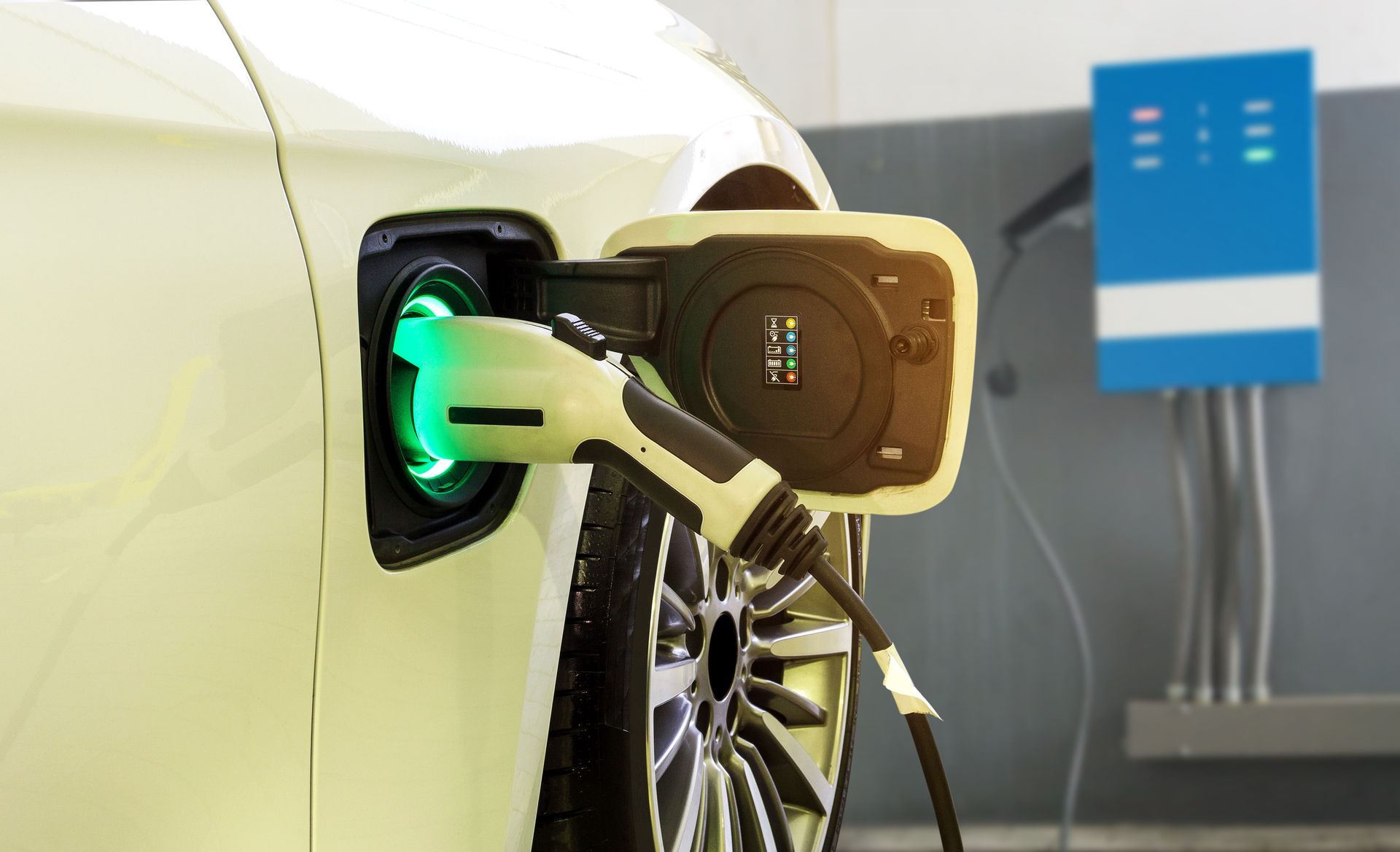
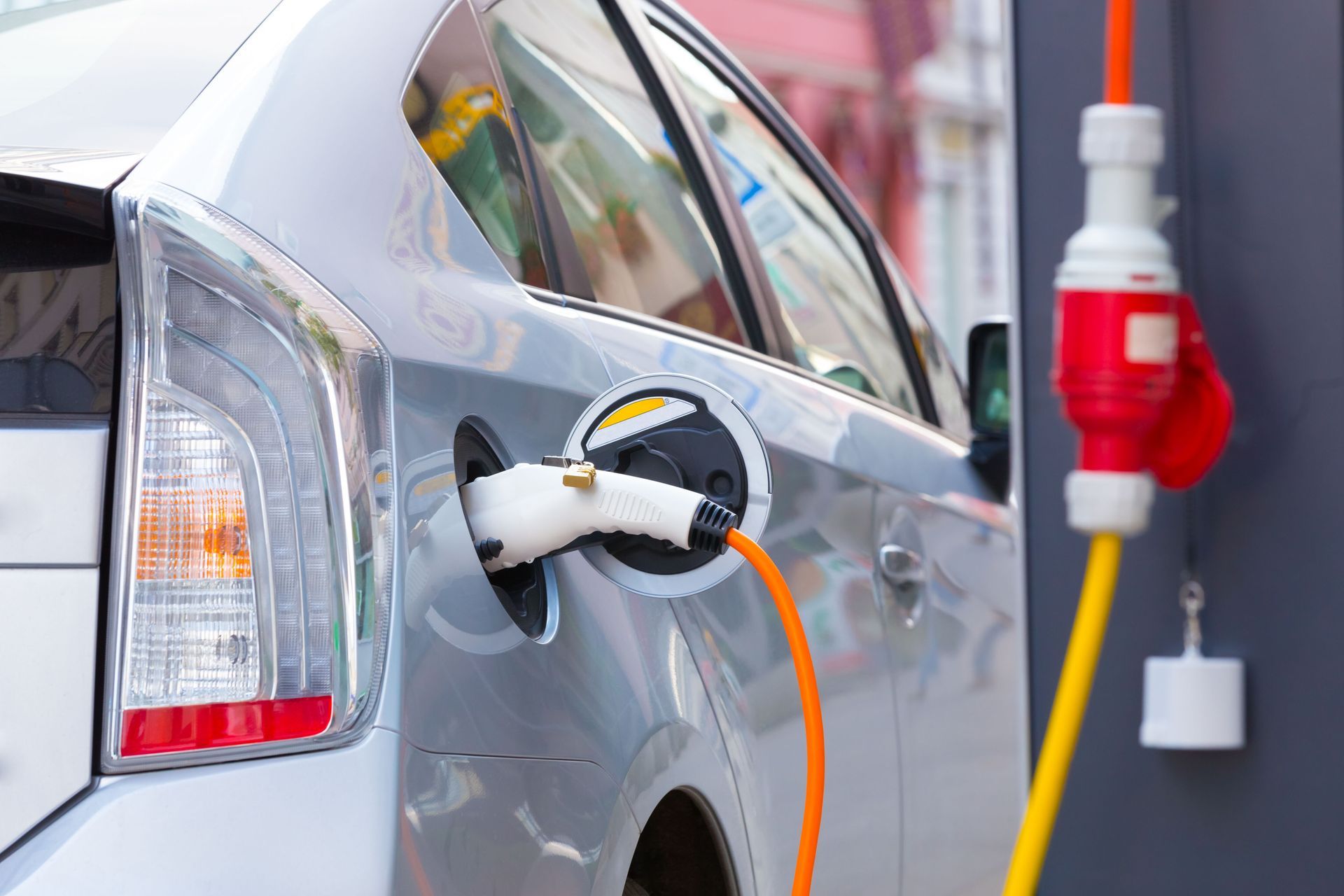
Electric vehicles are becoming a practical choice for daily driving, and home charging is a key part of that shift. According to Gallup, 35% of Americans are considering purchasing an electric vehicle. As more people transition to electric vehicles, many homeowners are evaluating what it takes to install an EV charger at home. Understanding the nuances of home charging ensures a seamless experience and maximizes the benefits of electric vehicle ownership.
While the concept of home charging is straightforward, there are several technical, structural, and regulatory considerations behind a successful installation. Understanding these factors ahead of time helps prevent delays, unexpected costs, and limitations on charging performance. Planning thoughtfully also ensures the system will meet both current and future household needs, especially as EV technology continues to advance and battery capacities grow.
Evaluating Electrical Capacity and System Readiness
Installing an EV charger begins with assessing your home's electrical system. A crucial factor is the rating of your electrical service. Homes with modern electrical systems generally have enough capacity for an EV charger, but older systems may need upgrades to handle the additional load safely. A licensed electrician can evaluate your system and determine whether it can support continuous charging, which differs from normal household use because it runs for extended periods.
If your system cannot fully accommodate an EV charger, solutions may include upgrading the electrical panel or adding load management systems that balance energy use. These steps impact both the cost and complexity of installation while affecting long-term performance. Proper evaluation at this stage prevents interruptions, protects the home's electrical infrastructure, and can even improve the efficiency of existing appliances by reducing strain on the system.
Choosing Charging Levels and Output Needs
Not all EV charger setups deliver the same charging speed, so understanding charging levels is essential. Level 1 charging uses a standard outlet but charges slowly and may not meet daily driving demands. Level 2 chargers, in contrast, use a higher-voltage circuit and provide faster, more reliable charging. The output you choose depends on driving habits, battery size, and how quickly you need your vehicle charged. Higher-output systems charge faster but require more electrical capacity and may influence installation planning.
Thinking about future needs is equally important. Households considering multiple electric vehicles or higher-energy appliances may benefit from choosing a system that can be scaled or upgraded. Selecting an output that aligns with long-term usage ensures the EV charger remains effective over time and can accommodate technological improvements in vehicles, such as larger batteries or faster charging capabilities.
Selecting Installation Locations and Layout
The placement of an EV charger affects usability, installation complexity, and cost. Ideally, the charger should be near the vehicle parking area to minimize cable strain and make daily charging convenient. Considering traffic patterns in the driveway or garage, as well as avoiding areas prone to flooding or extreme heat, enhances both safety and usability.
Distance from the electrical panel is another important consideration. Longer wiring paths increase labor and material costs, and complex routing through walls or detached structures can make installation more challenging. Outdoor installations may require weatherproofing or additional safeguards, whereas garage installations usually require fewer protective measures.
Planning the layout carefully also improves overall charging performance. Well-positioned installations reduce cable wear, avoid obstructions, and create a smoother daily experience. Investing time in this planning helps prevent operational problems, additional expenses, and potential safety hazards down the line.
Meeting Code Requirements and Permit Standards
EV charger installation must comply with local electrical codes and permitting rules, which are based on safety standards outlined in the National Electrical Code. Most installations require a dedicated circuit to prevent overloads and maintain safe operation. Understanding local requirements early can prevent costly delays and ensure the project remains on schedule.
Permits and inspections may be required at multiple stages of the project. These steps confirm the work meets regulations and operates safely under normal and high-demand conditions. Working with a licensed electrician simplifies this process, as they can navigate permitting requirements, schedule inspections, and verify that the installation is fully compliant. This approach minimizes delays, corrections, and safety concerns.
Understanding Installation Costs and Variables
The cost of installing an EV charger can vary widely depending on home infrastructure and installation complexity. Equipment is only one part of the total investment; labor, permits, and any necessary upgrades also factor into the final cost. Comparing quotes from qualified electricians can help homeowners identify fair pricing and the scope of work.
Straightforward installations with nearby panels are generally less expensive, while homes requiring electrical upgrades or complex wiring may face higher costs. Factors such as charger amperage, mounting location, and whether the system is hardwired or plug-in further influence pricing. Considering these variables early in the planning process allows homeowners to budget accurately and make informed decisions, ultimately reducing stress and ensuring a smoother installation.
Considering Energy Usage and Long-Term Impact
Adding an EV charger increases household electricity use, which can affect utility bills and energy management strategies. Charging patterns, such as time of day and frequency, directly impact costs, while integrating with renewable energy sources like solar panels can offset expenses.
Many homeowners benefit from charging during off-peak hours when electricity rates are lower. Some systems also integrate with energy management tools to monitor usage, optimize charging schedules, and reduce unnecessary energy consumption. It's important to consider how EV charging fits into broader household electrification trends. As more appliances transition to electric power, energy planning becomes increasingly critical. A well-planned EV charger installation supports both current needs and future energy demands while contributing to a more efficient and sustainable household.
Working with Qualified Electrical Professionals
EV charger installation involves high-voltage electrical work, system integration, and adherence to safety codes. These factors make professional evaluation and installation essential. Choosing a qualified professional ensures proper installation, mitigates safety risks, and preserves warranty coverage for both the charger and the vehicle.
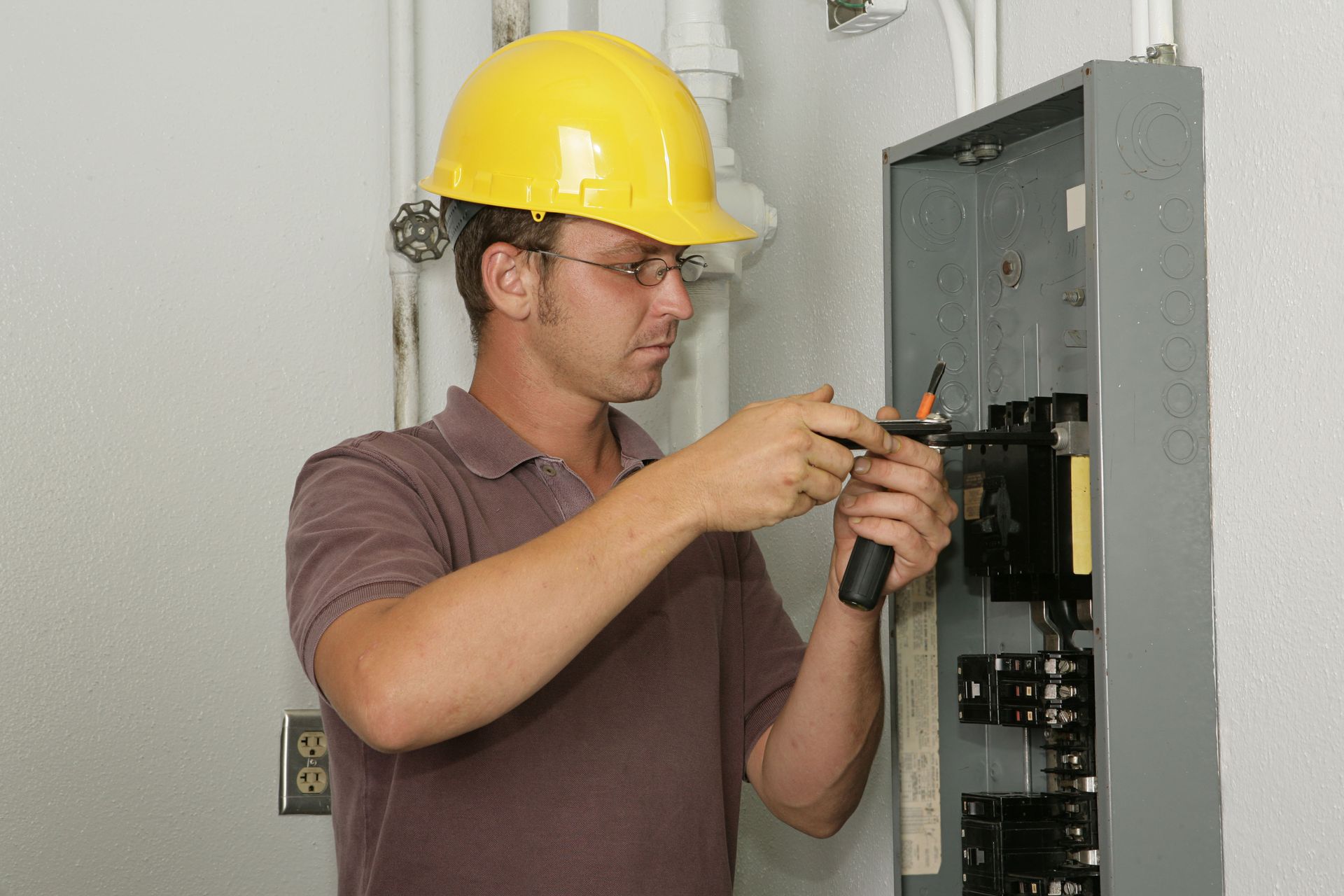
A licensed electrician can assess electrical capacity, recommend configurations, and perform the installation to code. They can also identify potential challenges, such as insufficient panel capacity or complex wiring paths, before they become issues. Professional involvement reduces the likelihood of failed inspections, system inefficiencies, and costly rework. Given the technical and regulatory requirements, working with qualified professionals is not optional. It is a necessary step for a reliable and safe EV charger installation.
Planning for Future Charging and Home Upgrades
As EV adoption grows, many households are planning for more than one vehicle. Installing an EV charger with future flexibility in mind can prevent the need for additional upgrades later.
This planning may include selecting a system with adjustable output, preparing space for additional circuits, or upgrading electrical infrastructure to support higher demand. Homes integrating other electric appliances or solar systems may also benefit from coordinating their EV charging setup with broader energy strategies. Future-focused installation decisions help ensure that the EV charger remains effective and convenient as household needs evolve. Thoughtful planning also adds long-term value to the property, positioning the home for future energy innovations.
Installing an EV charger at home involves much more than simply purchasing equipment. It requires careful evaluation of electrical capacity, layout planning, code compliance, and energy usage. Each factor influences how efficiently the system performs and how smoothly the installation process proceeds.
For homeowners looking to install an EV charger, reach out to Walkowiak Electric, Inc to work with a licensed electrical provider who can streamline the process and deliver a dependable EV charger setup designed for your home's current and future needs!


Share On: