

How to Choose the Right Generator for Your Home or Business
Power outages can strike at any time, whether due to severe weather, utility failures, or other unforeseen events. For both homeowners and business owners, losing electricity can cause significant disruptions, from spoiled food and interrupted work to compromised safety systems. Choosing the right generator is more than just picking a device that turns on during an outage; it is about ensuring your home or business maintains reliable power under any circumstance. A carefully selected generator not only provides convenience but also peace of mind, allowing you to continue daily operations without interruption.
Understanding Your Power Needs
The first step in selecting a generator is understanding your specific power requirements. According to Energy Sage, the average U.S. home uses about 10,972 kilowatt hours of electricity per year, but this number varies widely depending on household size, appliances, and energy habits. It is essential to consider which devices and systems you cannot afford to lose during an outage, such as refrigerators, heating and cooling systems, medical equipment, or office servers. For businesses, determining critical equipment and operational requirements is crucial to avoid productivity losses. Assessing both peak and continuous power needs ensures that your generator will handle the load efficiently and safely.
When calculating power requirements, consider not only wattage but also starting and running amperage. Some appliances, like air conditioners or well pumps, require more power at startup than during normal operation. This can impact the generator size needed for your home or business. By taking these factors into account, you avoid purchasing a unit that is either too small to handle your needs or unnecessarily oversized, which can be less efficient and more costly to operate.
Types of Generators
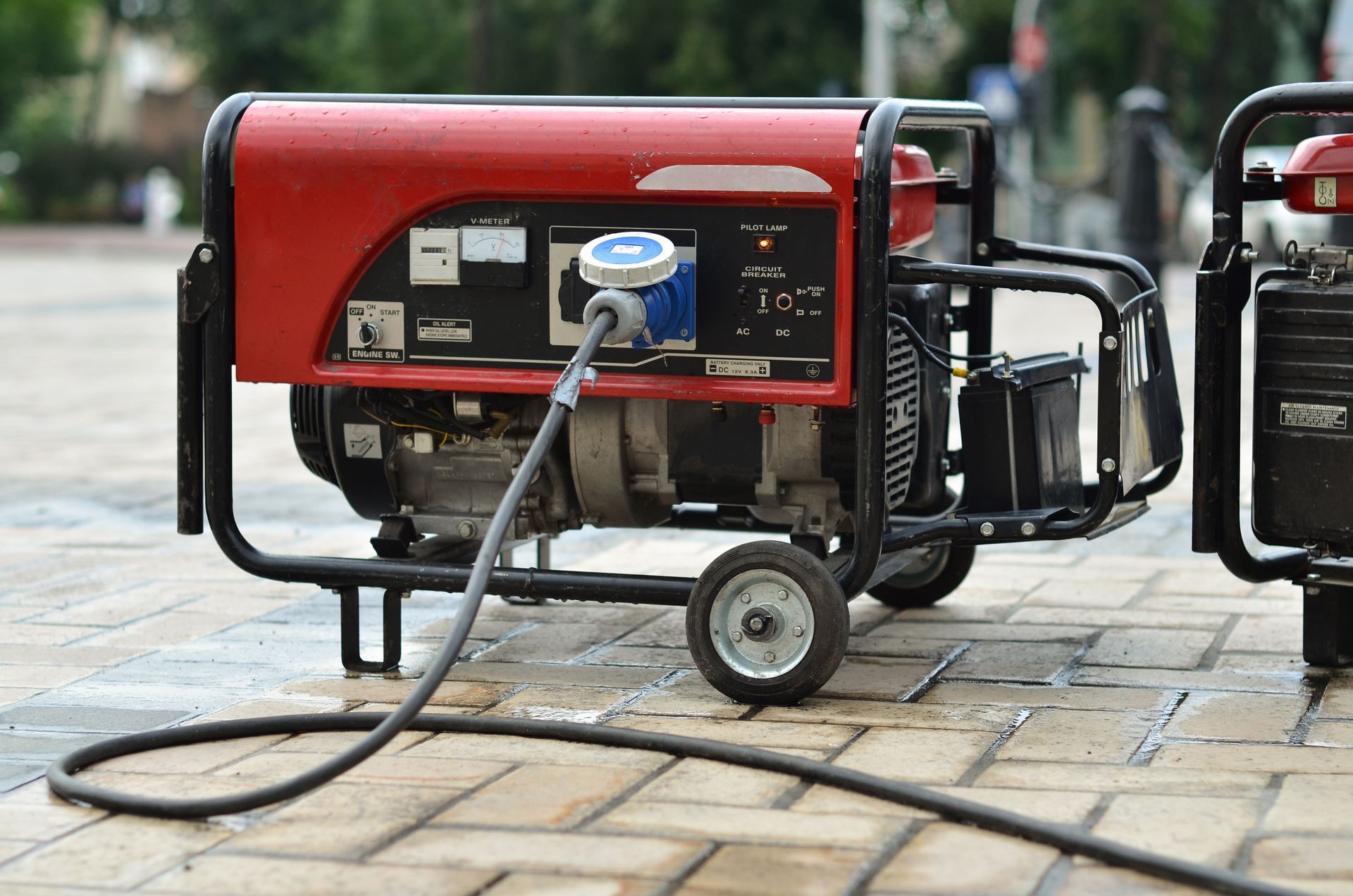
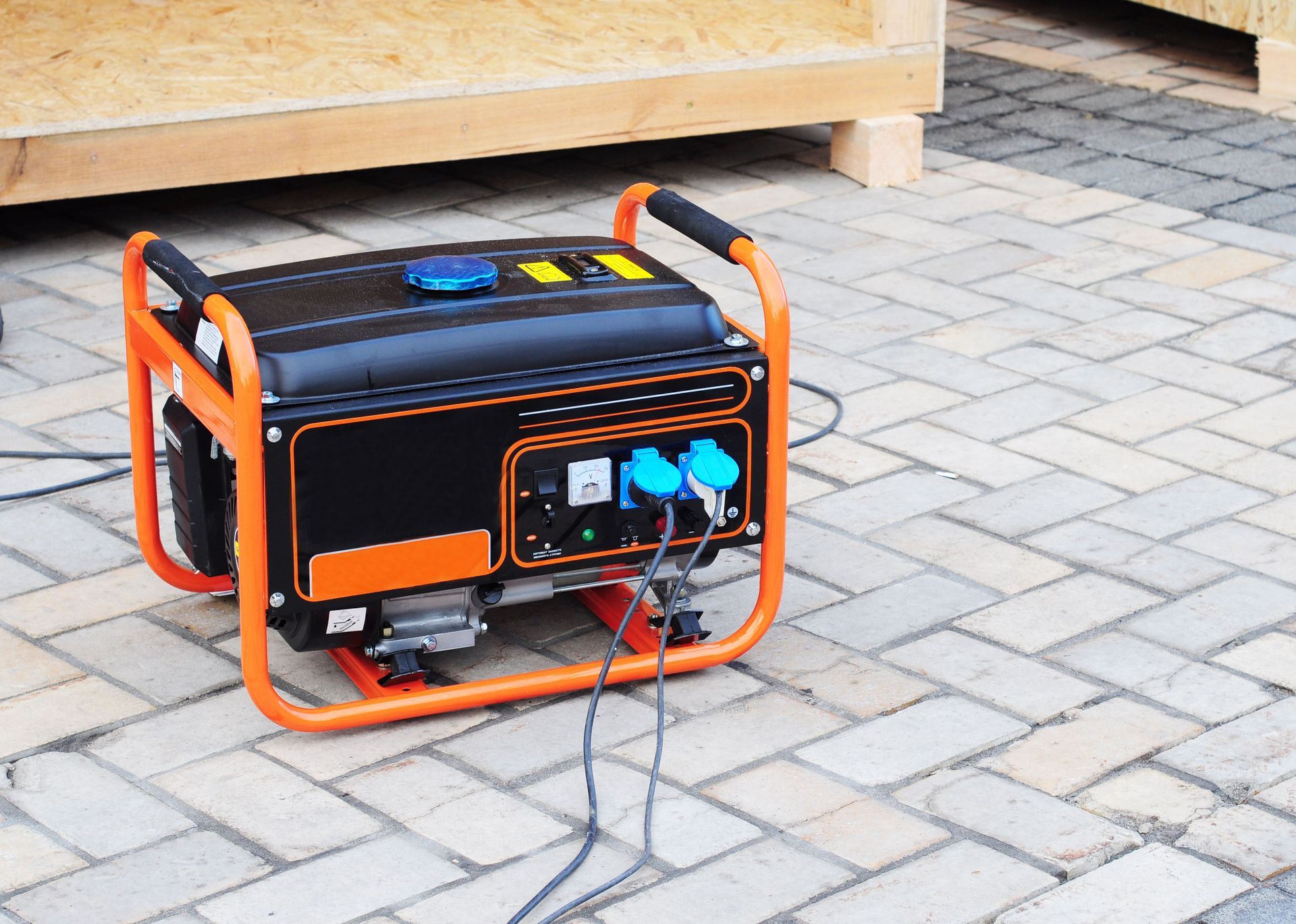
Generators come in various types, each with distinct advantages depending on the intended use. Portable generators offer flexibility and can be moved where needed, making them ideal for temporary or occasional power needs. They are generally more affordable and can provide power for essential household devices or small business equipment. However, they often require manual setup and fuel management, which can be inconvenient during prolonged outages.
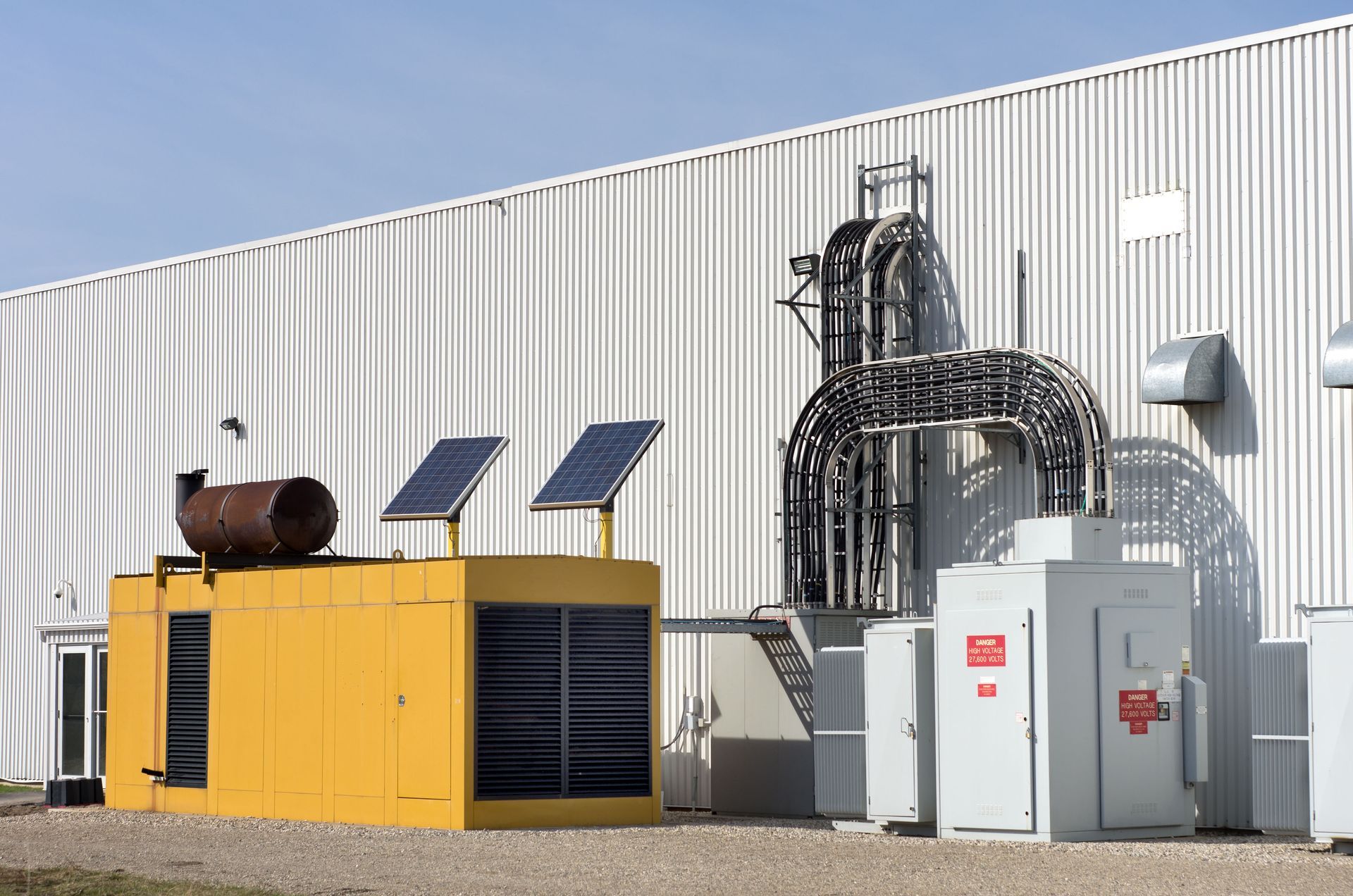
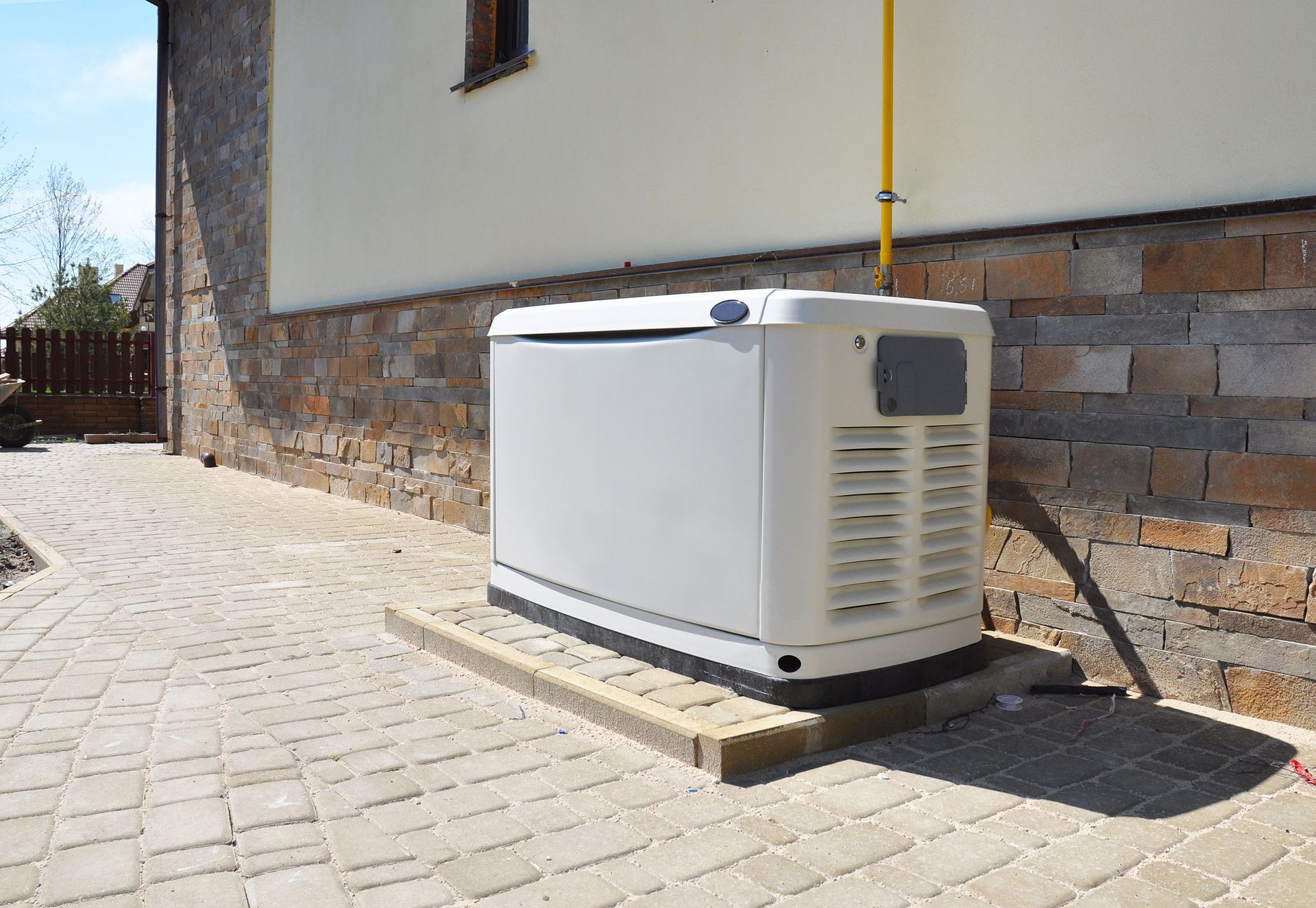
Standby generators, on the other hand, are permanently installed and automatically turn on during a power failure. They connect directly to your electrical system and often run on natural gas or propane. For homes or businesses that require continuous, uninterrupted power, standby generators are a reliable solution. They offer higher power capacity, greater convenience, and can support multiple circuits simultaneously. Commercial-grade standby units are designed to handle larger buildings and critical infrastructure, ensuring that essential operations continue even during extended outages.
Another option is inverter generators, which produce clean, stable electricity suitable for sensitive electronics like computers and medical devices. They are typically quieter and more fuel-efficient than traditional portable generators. Understanding the differences among generator types helps homeowners and business owners select a unit that meets their operational needs, fits their budget, and aligns with how they intend to use it during power interruptions.
Fuel Considerations
Choosing the right fuel type is another critical factor when selecting a generator. Generators can run on gasoline, diesel, natural gas, or propane, and each fuel source has pros and cons. Gasoline is widely available and suitable for portable units, but it has a limited shelf life and requires proper storage. Diesel fuel is more energy-dense and offers longer run times, making it ideal for larger standby units, but it may require additional maintenance. Natural gas and propane are convenient for permanently installed generators because they provide a continuous fuel supply without frequent refueling. The choice of fuel also impacts long-term operating costs, environmental considerations, and storage requirements, so it is important to weigh these factors carefully before making a decision.
Fuel efficiency and availability are especially important during extended outages. For instance, during severe storms, gasoline or diesel may become scarce, whereas a natural gas line or large propane tank can provide uninterrupted power. Additionally, local regulations and zoning codes may dictate which fuel types are permitted for certain installations. Consulting with a qualified professional can help determine the optimal fuel source for your home or business based on your energy demands, usage patterns, and emergency preparedness plans.
Safety and Installation
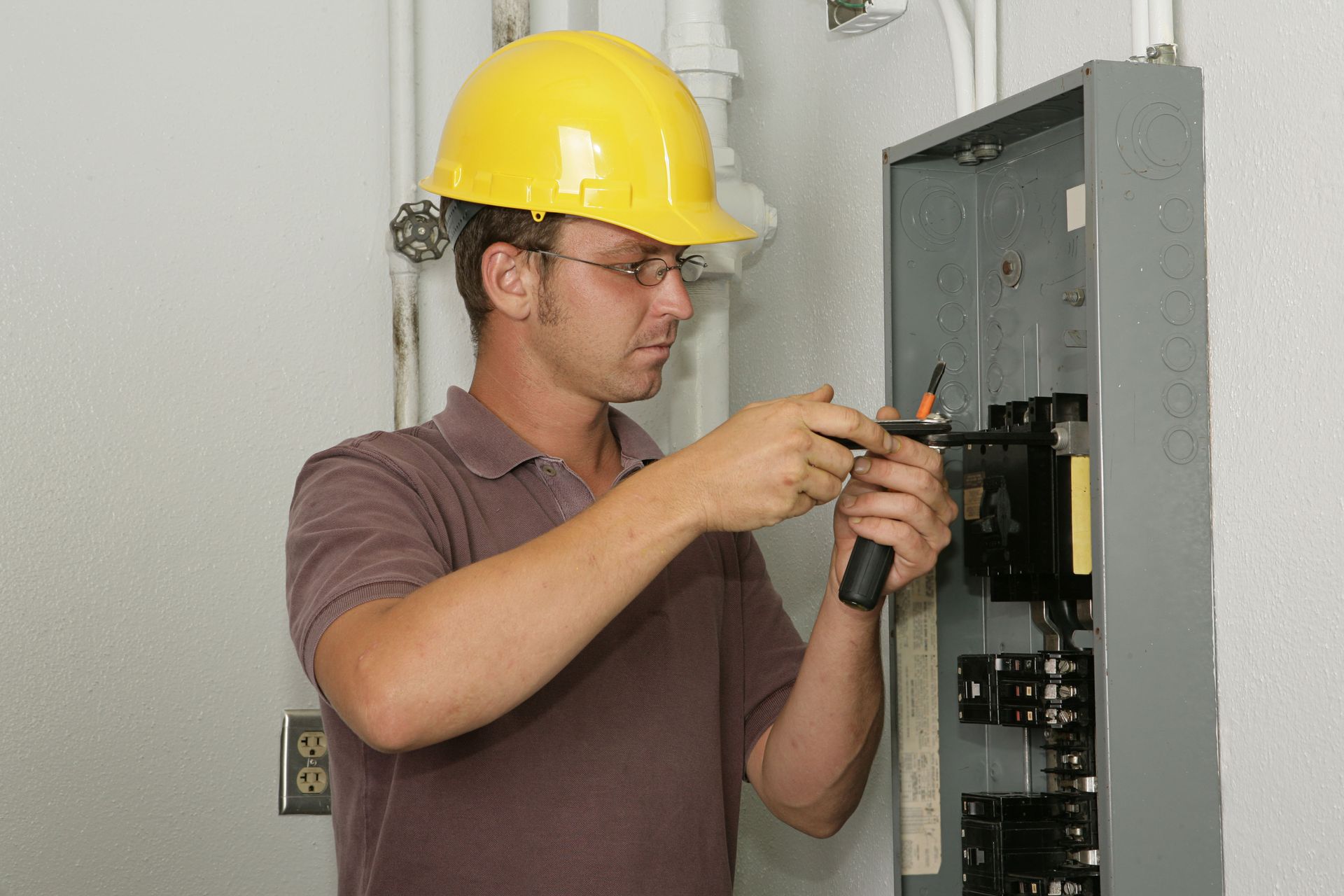
Proper installation and adherence to safety standards are essential when using a generator. An incorrect setup can lead to electrical hazards, carbon monoxide poisoning, or equipment damage. Standby generators should be installed by certified technicians who ensure correct electrical connections, grounding, and compliance with local codes. Even portable generators must be operated with care, placed outdoors in well-ventilated areas, and protected from moisture. Safety considerations also include surge protection, regular maintenance, and keeping fuel stored securely. Investing in professional installation and training ensures that your generator performs reliably and safely when you need it most.
For businesses, safety is particularly important because a failure can affect employees, customers, and critical systems. Generators should be integrated with transfer switches that automatically isolate generator power from the utility supply. This prevents backfeeding, which can endanger utility workers and damage equipment. Regular inspection of batteries, fuel lines, and mechanical components helps identify potential issues before they cause an outage or hazard. By prioritizing safety and proper installation, you reduce risks while maximizing the effectiveness of your generator investment.
Maintenance and Longevity
Once you have selected and installed a generator, regular maintenance is key to ensuring its long-term performance. Like any mechanical system, generators require periodic inspection, oil changes, filter replacements, and load testing. Routine maintenance prevents breakdowns, extends lifespan, and keeps the unit ready for emergencies. For standby generators, automatic testing features can provide peace of mind by simulating power outages and monitoring system performance. Even with portable generators, performing scheduled maintenance and storing the unit properly ensures that it will function when needed.
Maintenance also includes checking fuel quality, battery health, and electrical connections. Environmental conditions, such as extreme temperatures or exposure to moisture, can impact generator performance, so taking steps to protect the unit from these elements is important. For business owners, keeping maintenance records can simplify compliance with insurance requirements and reduce liability. By committing to a maintenance schedule, homeowners and businesses safeguard their investment while ensuring an uninterrupted power supply during critical times.
Choosing the right generator for your home or business requires careful consideration of power needs, generator types, fuel sources, safety, and maintenance requirements. Understanding electricity consumption, including the fact that the average U.S. home uses approximately 10,972 kilowatt hours per year, helps determine the appropriate size and capacity. By investing in the right generator and maintaining it properly, you can protect your home or business from the challenges of unexpected power outages.
Reliable, professionally installed, and well-maintained generators provide peace of mind, convenience, and security, ensuring that your essential systems and daily operations continue uninterrupted. With thoughtful planning and research, you can select a generator that meets your specific needs and supports your lifestyle or business operations effectively.
Ensure your home or business stays powered during any outage by choosing the right generator with expert guidance. Walkowiak Electric Inc can help you select, install, and maintain a reliable generator tailored to your energy needs. Our team is dedicated to keeping your systems running smoothly, so you can have peace of mind no matter the circumstances. Call us today!

Share On: